
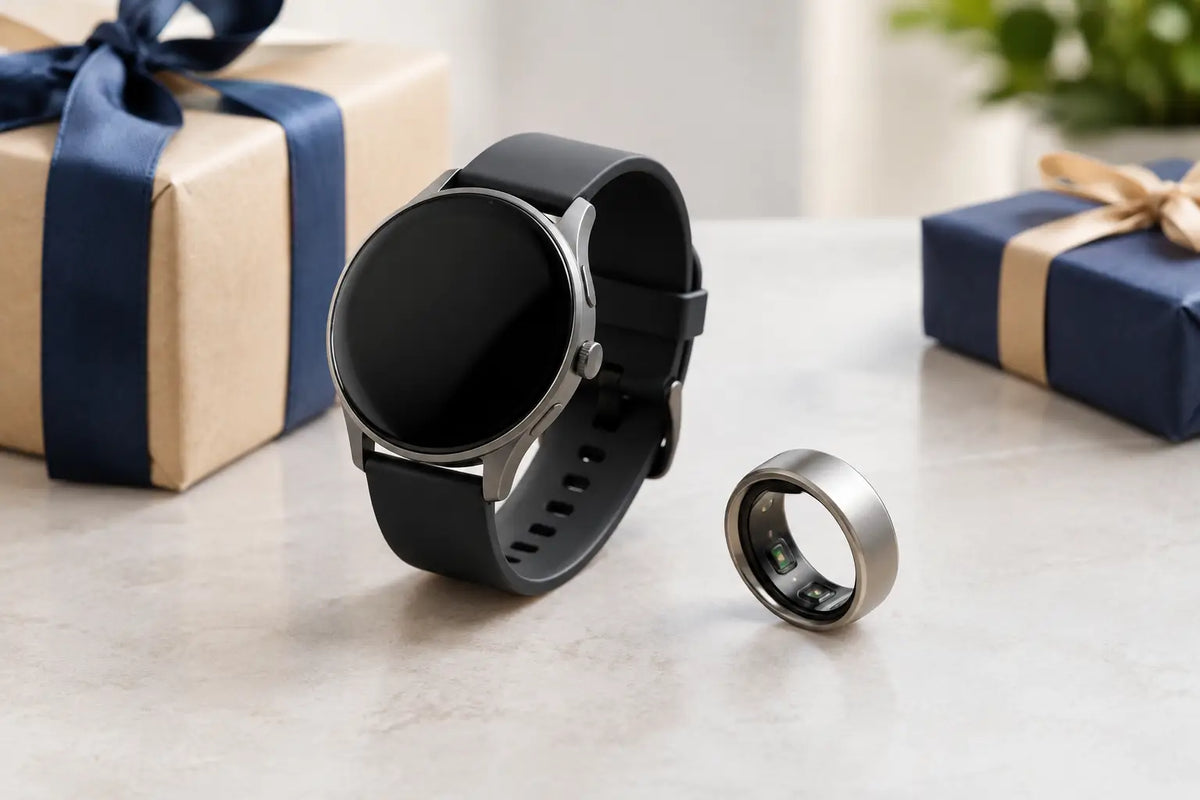
A fitness tracker can be a surprisingly personal gift. It sits on someone’s hand or wrist every day, collects details about how they sleep and move, and can become part of a favorite morning routine. That is why the choice between smart rings versus watches is less about picking the newest gadget and more about choosing a device that fits the person behind the gift.
A smart ring can feel understated and intimate, especially for someone who values sleep insights, comfort, and jewelry-like style. A smartwatch is often the better match for a busy person who wants notifications, workout data, navigation, and an easy way to stay connected without reaching for their phone. Both can make someone’s day truly unforgettable, but for very different reasons.
Smart Rings Versus Watches: The Everyday Difference
The first thing most people notice is the look. Smart rings are discreet. From a distance, many resemble a simple band, which makes them a thoughtful option for people who do not enjoy wearing obvious tech. They can pair easily with work outfits, date-night looks, and everyday accessories. For a recipient who already wears rings, a smart ring may feel more like a personal style upgrade than another screen to manage.
Smartwatches are more visible and more interactive. Their screen can show the time, texts, calls, calendars, music controls, directions, weather, and workout information. That visibility is a major benefit for a parent juggling errands, a commuter, or a friend who loves checking stats mid-workout. It can also be a drawback for someone trying to spend less time looking at notifications.
In short, a ring is usually designed to work quietly in the background. A watch is designed to put useful information within reach. Neither approach is automatically better. The right choice comes down to how the recipient wants technology to feel in daily life.
What Smart Rings Do Best
Smart rings are particularly appealing for wellness-focused gift recipients. Many track sleep patterns, resting heart rate, heart rate variability, activity, temperature trends, and recovery-related signals. Because the device has no bright display demanding attention, it can encourage a more reflective relationship with health data. The wearer checks the companion app when they want insight, rather than reacting to alerts all day.
Sleep is one of the strongest reasons to consider a smart ring. Plenty of people find a watch bulky or uncomfortable overnight, especially side sleepers or anyone sensitive to a band around the wrist. A well-fitted ring is often easier to forget while sleeping. That makes it a meaningful gift for a partner, parent, or friend who talks about improving their bedtime routine, reducing stress, or waking up feeling more rested.
Rings can also be great for people who cannot wear a watch at work. Some healthcare workers, chefs, artists, and hands-on professionals may have restrictions around wrist devices or simply prefer a bare wrist. Still, this depends on the job. Rings can be impractical or unsafe around certain machinery, weightlifting equipment, or tasks that require gloves.
The catch is that smart rings are not ideal for every fitness goal. Most do not provide the quick, on-screen workout feedback serious runners and cyclists expect. Screen-free design also means no glanceable maps, text replies, or live training prompts. A smart ring is best for someone who wants to understand their body, not constantly interact with a device.
Ring sizing is part of the gift
Unlike a watch, a smart ring needs the correct fit. That can make a surprise more complicated, especially if the recipient does not know their ring size. Some brands offer sizing kits before sending the final device, which can turn the gift into a two-part experience. If you want something ready to wear immediately, a smartwatch may be easier to give.
It is also worth considering the recipient’s existing jewelry habits. Someone who never wears rings may find even the most capable smart ring uncomfortable. Someone who loves stacking bands may need help deciding which finger feels best for a sensor-equipped ring.
When a Smartwatch Makes the Better Gift
A smartwatch brings more features to the wrist. For active recipients, it can display live heart rate, pace, distance, route information, workout timers, and training metrics without requiring a phone. For someone preparing for a 5K, hiking on weekends, or building a consistent gym habit, that real-time feedback can be genuinely motivating.
It also makes everyday logistics easier. A smartwatch can help a busy mom check a calendar reminder while carrying groceries, let a college student see an important call during class breaks, or give a traveler directions while keeping their phone tucked away. Depending on the model and phone compatibility, features may include contactless payments, music controls, emergency functions, voice assistance, and cellular connectivity.
This makes a watch a strong gift for the person who enjoys practical tech and likes having several tools in one place. It is especially useful for recipients who already wear a traditional watch and would happily trade it for a connected one.
The trade-off is attention. Notifications can be helpful, but they can also feel like one more source of interruption. Battery life varies widely, too. Some watches need frequent charging, especially when used for GPS workouts or always-on displays. A recipient who dislikes charging another device may prefer the longer-lasting, less demanding experience of a ring.
Compare Comfort, Battery, and Lifestyle Before You Buy
The best tech gifts solve a real everyday need. Before choosing, picture the recipient’s normal week rather than focusing only on a feature list.
For comfort, think about sleep, exercise, work, and personal style. Watches can feel more secure for running and are easy to adjust throughout the day. Rings may feel lighter during sleep but can be bothersome when hands swell, when lifting weights, or when doing messy work. Material matters as well. Metal finishes can look premium and gift-worthy, while different bands and sizes help a smartwatch feel more personal.
For battery life, rings often have an advantage because they do less on the device itself. A watch with a vivid screen, GPS, calls, and apps naturally uses more power. However, charging habits are individual. A person who already charges their phone and earbuds every evening may not mind a watch charger. Someone who travels often or forgets cables may appreciate fewer charging sessions.
Phone compatibility deserves attention before checkout. Not every smartwatch works equally well with every smartphone, and features can change based on the phone ecosystem. Smart rings also rely on an app, so make sure the recipient’s phone can support it. This small detail can save a thoughtful gift from becoming a frustrating one.
Finally, check for memberships or subscription fees. Some wearables include all their core features with purchase, while others place deeper insights behind an ongoing plan. A lower upfront price is not always the better value if it comes with recurring costs the recipient did not expect.
A Simple Way to Match the Gift
Choose a smart ring for the person who says they want better sleep, loves a minimalist look, wears jewelry regularly, or wants health insights without another screen. It can be a beautiful choice for an anniversary, birthday, Mother’s Day, or a self-care gift that says, “You deserve time to recharge.”
Choose a smartwatch for the person who trains with goals, likes trying useful new tech, manages a packed schedule, or wants to leave their phone in a pocket more often. It suits graduations, Father’s Day, holiday surprises, and milestone gifts for someone beginning a new health routine.
If you are still torn, let their current habits decide. A person who checks notifications constantly may love a watch. A person who intentionally silences them may appreciate a ring. The most memorable gifts do not just look impressive in the box. They fit naturally into the life of the person receiving them.